ReStory: Chill Electronics Repairs Growing Your Repair Shop
Scale from neighborhood fixer to licensed restorer without losing the story
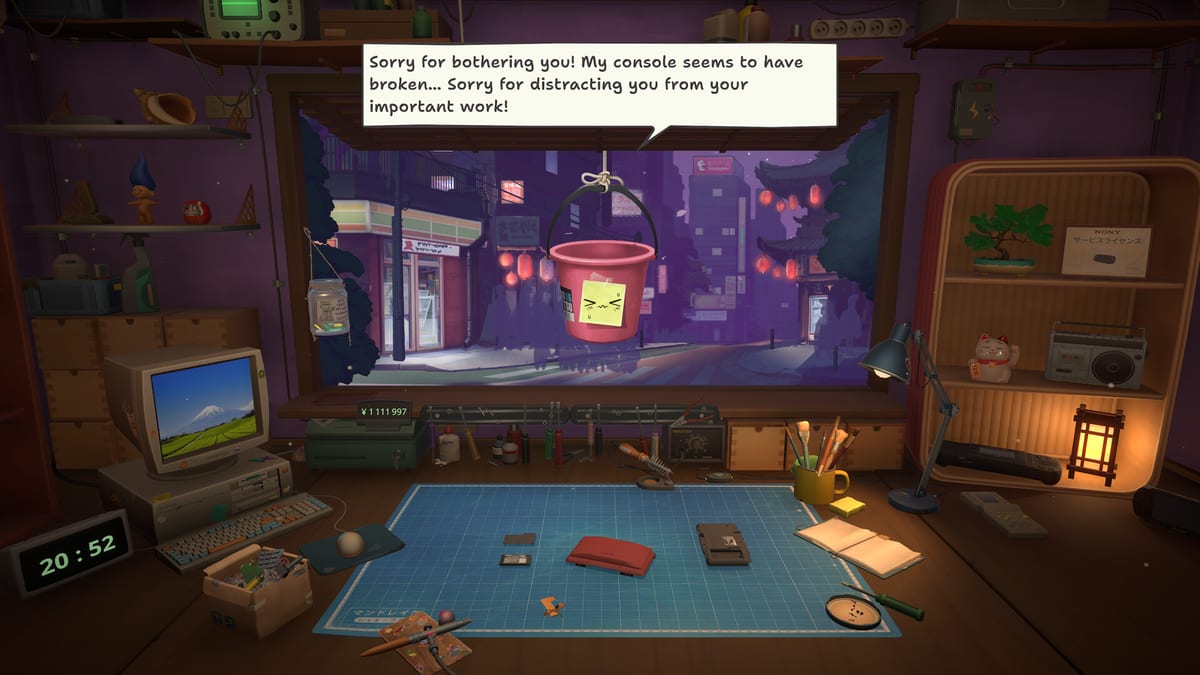
Shop growth in ReStory: Chill Electronics Repairs is the phase where your Tokyo workshop stops feeling like a single bench in a alley and starts behaving like a business with options. You juggle licensed repairs on Nony and Palaloid gear, stack marketplace profits, and still show up for customers whose branching arcs decide which ending you earn. This page covers that mid-game expansion: workflow, economics, and narrative pacing.
The embedded video above focuses on shop expansion gameplay—use it for visual layout references while this guide handles decision trees and cross-system checklists.
Signs you are in the growth phase
You have likely hit shop growth when:
- You own at least two major Licenses and use them weekly.
- Workshop Upgrades added storage, lighting, or a second work zone.
- Story customers reference your reputation by name instead of treating you as the new owner.
- Online requests regularly offer tier-two devices like Nony PlayMachine, Palaloid compacts, or Unicorp laptops.
If any of those is false, backtrack to Early Game for another license or tool tier.
Multi-job workflow on one bench
ReStory never becomes Factorio, but growth-phase days still need scheduling. Treat each morning like a triage desk:
- Story-critical hand-ins — Check who waits at the counter. Missing a narrative deadline can delay endings more than losing a flip.
- Parts in transit — Finish disassembly on jobs waiting for browser deliveries; clean and bag boards while timers run.
- Quick closes — Complete Walkie-talkie, Eggotchi, or Pokia jobs that need only one part swap to free shelf space.
- Long diagnostics — Start camera or handheld tear-downs before lunch so test cycles run while you serve walk-ins.
Shop Management details pricing and customer mood; growth phase adds throughput as a third variable. Underquoting hurts less when you close five jobs a day instead of two.
License roster and premium services
Licensed work is your margin engine. Unlicensed attempts on Nony PMP or Palaloid bodies may let you diagnose, but hand-in checks block payment. Full roster goals:
| License family | Typical hardware | Growth-phase note |
|---|---|---|
| Nony | PMP, PlayMachine, Goman walkman line | Story tied to courier-damaged boxes |
| Palaloid | Digital cameras, compact shooters | Sensor dust minigames need lighting upgrades |
| Atari | 2600, CX40, Lynx | Already available early—use for reputation |
| Unicorp | 99L and similar compact PCs | Storage-heavy; batch similar repairs |
Stack licenses only when you can stock their common spares—see How to Get Spare Parts for bookmark strategy on the Parts Browser.
Marketplace as a growth accelerator
Mid-game listings include project consoles and celebrity-era gadgets:
- Atari Lynx units with screen or capacitor issues—higher skill, higher resale.
- Nony Goman music players with belt or laser wear.
- Autorolla Razor refurb batches—fast if you already own hygiene tools.
- Robodog toys and oddities for achievement hunters.
Buy when your spare drawer already contains the failing module class. Growth phase mistakes come from chasing rare listings that need three exclusive parts. Flip one Lynx successfully before you stock five.
Device mix and difficulty spikes
The Device Difficulty tier list ranks stress per category. During growth, accept one top-tier job per in-game week to learn patterns without burnout. Pair each hard job with two easy closes the same day.
Cross-train using category guides:
- Atari Consoles for licensed retro builds.
- Phones and Handhelds for keypad and hinge patterns.
- Music and Cameras for optical and audio paths.
When a device shares internals across brands—Nony handhelds echo real PSP layouts—skills transfer even if parody names change.
Story branches and reputation
ReStory’s marketing promises multiple endings driven by customer relationships and shop ethics. Growth phase is where those forks become visible:
- Discounting struggling regulars may unlock cooperative scenes but slows license payments.
- Aggressive pricing funds upgrades faster yet cools some Characters routes.
- Side quests about neighborhood festivals or arcade tournaments pull you off the bench—skip too many and you lose discounts, not endings entirely.
Save before chapter days labeled in the bulletin UI. Track ending-related tasks on Achievements if you want a single completionist run.
Tool ceiling and comfort spending
Late growth unlocks expensive browser toys: electric screwdrivers, sandblasters, advanced dust stations. Buy when they shave time off licensed jobs you already daily— not before.
Rule of thumb: if a tool saves fewer than one in-game hour per week, defer it for another license payment. Comfort matters in a cozy sim, but license gates block more content than missing a luxury driver.
Online requests at scale
Refresh the board each morning and keep a sticky note (real or mental) of which categories you are farming for achievements. Rotate away from devices whose parts are back-ordered on the browser.
Decline spammy requests with hidden water damage unless you own ultrasonic or advanced cleaning from Unlocks. Growth phase reputation can absorb occasional failures, but three stacked fails trigger bad reviews that hurt story tips.
Preparing for late game and replay
Shop growth naturally rolls into endgame when:
- You cleared major license columns and own core tools.
- Main cast arcs hit act-three dialogue.
- Request board mixes novelty devices (Robodog, odd prototypes) with routine work.
Replay value comes from branching stories, customization, and chasing missing achievements—not from mandatory New Game+. Before you roll credits, finish catalog entries on Devices and verify every tool slot on the bench.
Growth-phase mistakes to avoid
Overleveraging marketplace buys without spare cash for story parts soft-locks afternoons when a main customer arrives mid-repair. Neglecting Parts Browser bookmarks when URLs rotate costs hours of search UI. Taking every hard-tier job because you “should” know it by now drains fun—ReStory stays cozy if you mix difficulty deliberately.
Frequently Asked Questions
Quick answers for ReStory players.
How many jobs can I handle in the growth phase?
Most players comfortably run two active repairs plus one waiting on parts. Second work zones from workshop upgrades add flexibility but do not remove the need to finish story hand-ins promptly.
Which licenses matter most for shop growth?
Nony and Palaloid licenses unlock the highest-margin mid-game hardware. Atari work builds reputation early; Unicorp coverage helps when requests spike laptop-class repairs.
Can I ignore story customers while grinding marketplace flips?
You can, but story scenes gate some tool discounts and ending branches. A balanced day closes quick flips while advancing at least one character arc.
When should I buy expensive tools like the electric screwdriver?
Purchase after licenses and lighting upgrades when you repair licensed handhelds or cameras daily. If you still mostly fix Eggotchi and Walkie-talkie jobs, wait.