ReStory: Chill Electronics Repairs Shop Management
Queues, pricing, and reputation on a busy Tokyo repair street
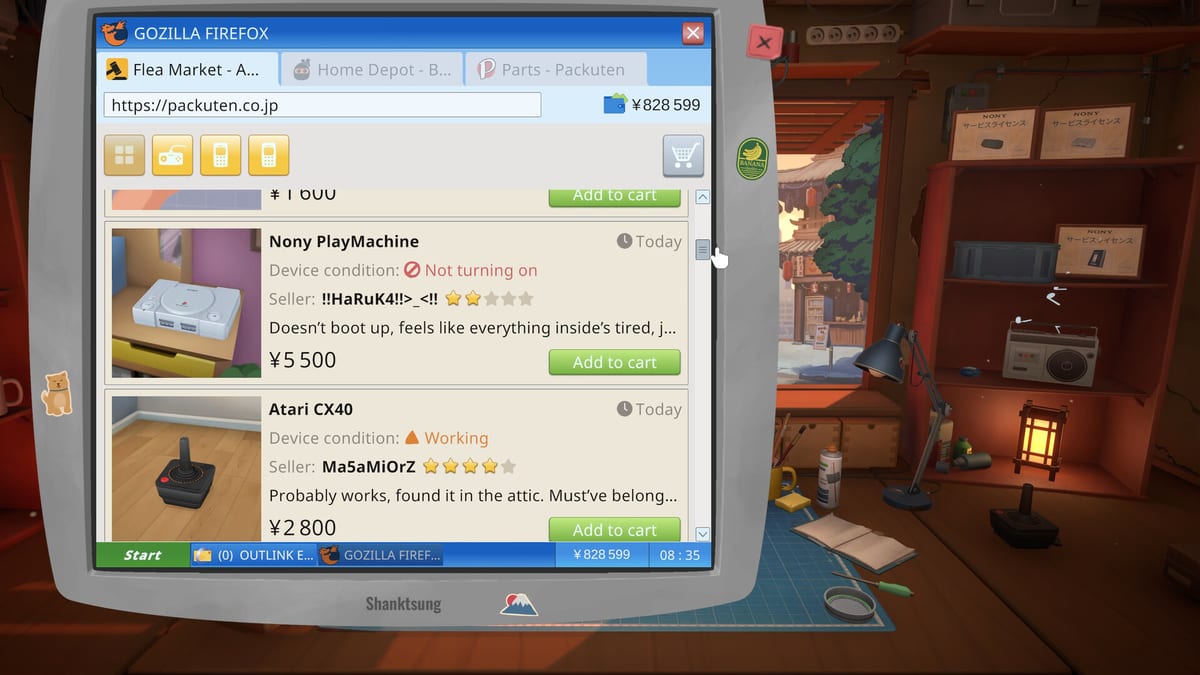
Shop management in ReStory: Chill Electronics Repairs is the art of keeping customers smiling while your bench stays profitable. You are not running a spreadsheet sim—every queue entry is a person with dialogue, deadlines, and sometimes a branching consequence tracked across Characters and Achievements. Still, the same fundamentals apply: triage jobs, price fairly, refresh income sources, and reinvest before you stall on license gates.
This guide focuses on operational decisions. Pair it with How to Play for UI navigation and Walkthrough chapters for when new systems unlock.
Morning triage ritual
Start each in-game day with a three-pass review:
Pass one — story portraits. Anyone with a named portrait or exclamation marker gets first priority. Missing Haruhi, Sakamoto, Yamato, or Yui deadlines pushes narrative chapters back without paying extra.
Pass two — parts timers. Jobs waiting on Parts Browser deliveries should sit mid-bench—finish cleaning and bag boards while timers tick.
Pass three — money fillers. Accept Walkie-talkie, Eggotchi, or Pokia requests when story and parts queues allow. Decline licensed work you cannot hand in yet.
This ritual prevents the classic trap: grinding flips while a main customer waits three days and cools reputation.
Walk-in customers vs online requests
Walk-ins carry dialogue, mood meters, and sometimes unique device configurations you cannot see on the request board. Online requests show payout upfront and silhouettes from the Device Catalog.
| Source | Pros | Cons |
|---|---|---|
| Walk-ins | Story progress, tool discounts, unique faults | Unpredictable timing |
| Requests | Known payout, good filler | Less narrative depth |
| Marketplace (self-initiated) | Highest margins | Capital tied up, risk |
Rotate sources so skills stay broad—see Device Difficulty when requests spam hard-tier icons.
Pricing philosophy
ReStory rarely punishes you for quoting high, but it does track empathy. Practical approaches:
- Standard rate for anonymous requests—match suggested ranges until reputation bonuses appear.
- Discount for recurring story characters during their low-cash arcs; goodwill scenes repay in shipping discounts or license referrals.
- Rush fee when customers demand same-day hand-ins— viable only if parts are in stock.
Overcharging once or twice will not ruin an ending. Systematically gouging neighbors does. If you min-max yen, compensate with gifts or side quests when prompted.
Reputation and reviews
Failed jobs, missed deadlines, and returned devices with new damage tank shop reputation. Effects include lower tips, fewer request board slots, and delayed story triggers.
Recovery steps:
- Clear two flawless hand-ins in a row.
- Take one easy public request to rebuild stars.
- Clean the storefront when interactive prompts appear—pure flavor sometimes, hidden bonus other times.
Shop Growth assumes stable three-star equivalent reputation before scaling licensed throughput.
Queue limits and bench space
You can only actively repair so many devices. Workshop renovations from Workshop Upgrades expand slots, but mental queue discipline matters more early.
Rule: one story job, one request, one waiting on parts. Add marketplace flips only with empty shelf space and cash buffer for emergency carts.
Online request refresh strategy
Refresh the board each morning. Skip listings with hidden water damage icons unless you own advanced cleaning tools from Unlocks. Farm categories aligned with current achievements on Achievements.
If three consecutive boards lack profitable jobs, spend that day advancing story instead of forcing bad accepts—request RNG evens out over Early Game length.
Marketplace coordination
Management extends to purchases you initiate. Before buying a broken Nony PMP or Palaloid lot:
- Confirm Licenses status.
- Compare part quotes on the browser.
- Ensure story customers are not waiting on your only free slot.
Sell refurbished units when resale UI beats request payouts for the same repair time.
Staffing and neighbors
You remain a solo tech in launch content—management is about time, not HR menus. Neighbors nonetheless influence foot traffic. Bulletin events announcing festivals or arcade tournaments spike certain device types—pre-stock Walkie-talkie parts and camera cleaning kits when boards hint at summer events.
Financial planning checkpoints
| Milestone | Target reserve | Spend on |
|---|---|---|
| End week 1 | One day of parts float | Ratchet driver, lighting |
| Pre-Nony license | License fee + 2 part kits | Nony authorization |
| Mid growth | Three days float | Second workshop upgrade |
Use How to Get Spare Parts to avoid over-ordering consumables that trap cash.
Story-sensitive management choices
Some scenes ask whether to report counterfeit devices, waive fees for students, or prioritize elderly customers. There is rarely a hidden “correct” answer—pick roleplay consistency. Achievement hunters should read Achievements for flags like “help every neighbor request” without assuming one run covers all.
Interface tips
Color-coded job cards usually distinguish story, request, and marketplace inventory. Sort by deadline when the UI allows. Pin How to Repair steps mentally: diagnosis icons mismatching cart contents cause more reputation loss than slow service.
When management stabilizes
You graduate from survival management when story chapters flow without missed portraits, licenses stay current, and request board refreshes feel optional rather than desperate. At that point Shop Growth content—multi-license days and festival spikes—becomes fun instead of stressful.
Common management failures
Accepting licensed jobs before authorization wastes afternoons. Declining every non-story job starves tool upgrades. Ignoring parts delivery timers leaves customers idle at the counter. Pricing randomly without reading mood text misses free reputation. Stacking marketplace buys during a festival week guarantees missed hand-ins.
Frequently Asked Questions
Quick answers for ReStory players.
How many customers can wait at once?
The UI limits active and queued jobs based on story progression and workshop upgrades. Keep one slot free for urgent story hand-ins even when busy.
Do discounts hurt achievements?
Some achievements reward profit totals, but most story endings care about consistent treatment rather than never discounting. Mixed pricing is fine.
When should I refresh the online request board?
Each in-game morning works well. Skip refreshes on days when you already owe story hand-ins or wait on critical part deliveries.
What happens if reputation drops?
Lower reputation reduces tips, may shrink request variety, and delays certain character scenes until you complete clean jobs to recover standing.