ReStory: Chill Electronics Repairs ReStory Tier List Hub
Spend yen and bench time where the mid-2000s Tokyo meta actually rewards you.
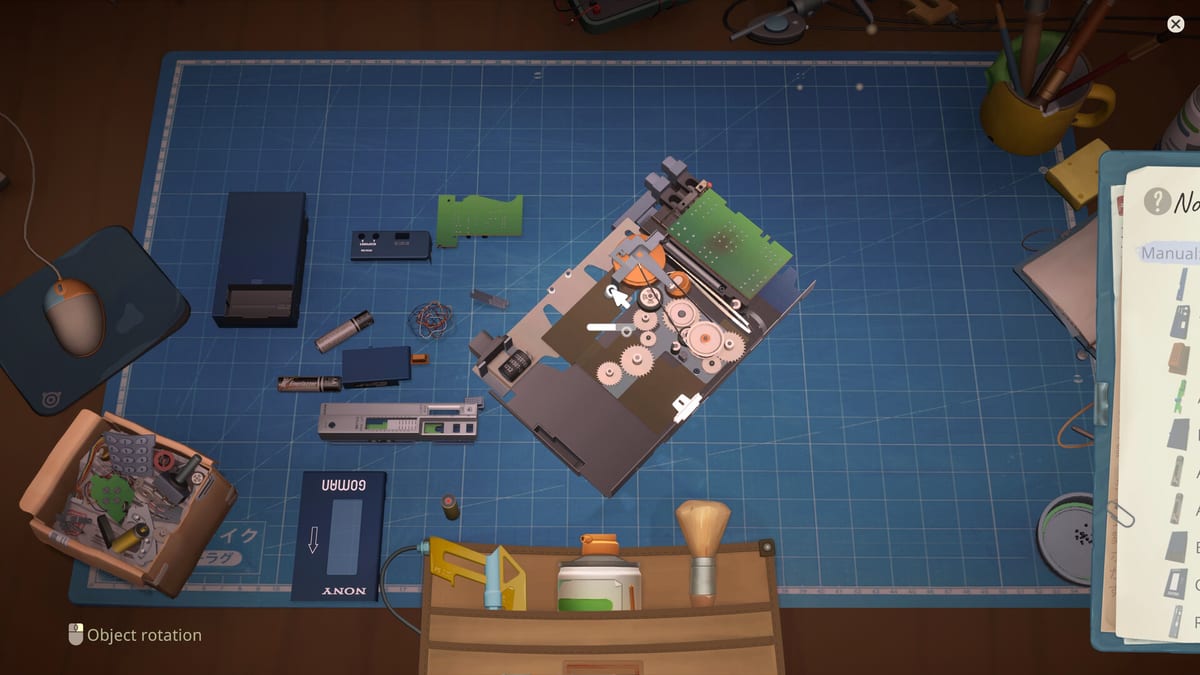
Tier lists exist because ReStory hides opportunity cost behind cozy music and soft lighting. You can buy decorative airbrush gradients on day three; the question is whether that yen should have been an electric screwdriver, a diagnostic license, or express shipping on a screen flex Hana’s flip phone needs. This hub collects ranked advice for two decisions every shopkeeper repeats: what to upgrade and what to repair next.
Two lists, two different questions
| List | Answers |
|---|---|
| Upgrade priority | Which tools, storage, and workshop features change your income curve fastest |
| Device difficulty | Which hardware punishes rushed teardowns, missing licenses, or cheap parts |
Upgrade rankings assume you read How to Play and understand rent cycles with Hashimoto. Difficulty rankings assume you know how to open the parts browser—see How to Get Spare Parts—and that you can adjust repair precision on Controls after the launch-day slider patch.
How tier lists interact with story
Story customers are not evenly distributed by device type. Kenji’s portable music player emphasizes backup ethics and delicate storage; Takashi’s licensed Atari gear demands conservative cosmetic choices ranked differently from Hana’s fashion-forward flip phone mods. When a tier list says “defer consoles,” check Characters to see whether a narrative appointment is waiting on that license anyway.
Grandma Chiyo’s camera teaches corrosion and battery leaks—mechanically easy, emotionally heavy. Kazuo’s media player is mechanically moderate but morally volatile. The difficulty list marks risk, not just screw count.
Using tier lists during a play session
Morning planning: Compare cash on hand to the next S-tier entry in Upgrade priority. If you are one job away from a purchase, accept email work from Early game walkthrough rather than a risky auction flip.
Intake decisions: When two walk-ins queue, consult Device difficulty. A B-tier phone job with parts in stock often beats an A-tier console you must assemble from salvage.
Evening spending: Cross-check Workshop upgrades and Tool unlocks so you do not duplicate planning spreadsheets.
What tier lists deliberately ignore
These pages do not rank dialogue options—that is Story choices territory. They also avoid cosmetic-only purchases unless a customer explicitly reacts to creative restorations (airbrush grids expanded in the launch patch).
They are not speedrun splits. ReStory is chill by design; the lists help you avoid accidental hard modes, like accepting hinge repairs before magnification or licensed shells before you own the matching bit set from Tools unlocks.
Related wiki paths
- Shop management — budgeting between tiers
- Parts checklist — execution aid for harder devices
- Achievements — some tiers align with completion habits
- Review — critic perspective on whether economy tuning feels fair post-patch
Updating your mental model after patches
Mandragora’s day-one update softened early expenses and added inventory filters—indirectly shifting upgrade tiers because players reach mid-game tools sooner. Re-read Launch patch when a list feels outdated; economy notes there explain why rent pressure may feel lower than demo footage suggested.
Treat tier placements as living recommendations. When you disagree, you are probably role-playing a specific shop identity—and ReStory supports that, provided you accept slower profits or tougher repair sessions willingly.
Frequently Asked Questions
Quick answers for ReStory players.
Are tier lists mandatory for enjoying ReStory?
No. They reduce friction for players who dislike wasting yen or failing jobs. Narrative-focused runs can ignore upgrade ranks entirely.
Why separate upgrade and device tier lists?
Upgrades change your shop capabilities; device difficulty changes per-job risk. Combining them confuses whether a problem is tooling or hardware.
Do licensed Atari devices always rank high difficulty?
Often mid-to-high because of shell care and player expectations, but tooling and the repair slider can lower effective difficulty.
Where do spare parts fit into tier thinking?
Stock common consumables before chasing S-tier tools. Parts availability moves a device from hard to manageable even with basic screwdrivers.