ReStory: Chill Electronics Repairs How to Get Spare Parts
Browser shopping, salvage economics, and stockpiling without draining your rent fund.
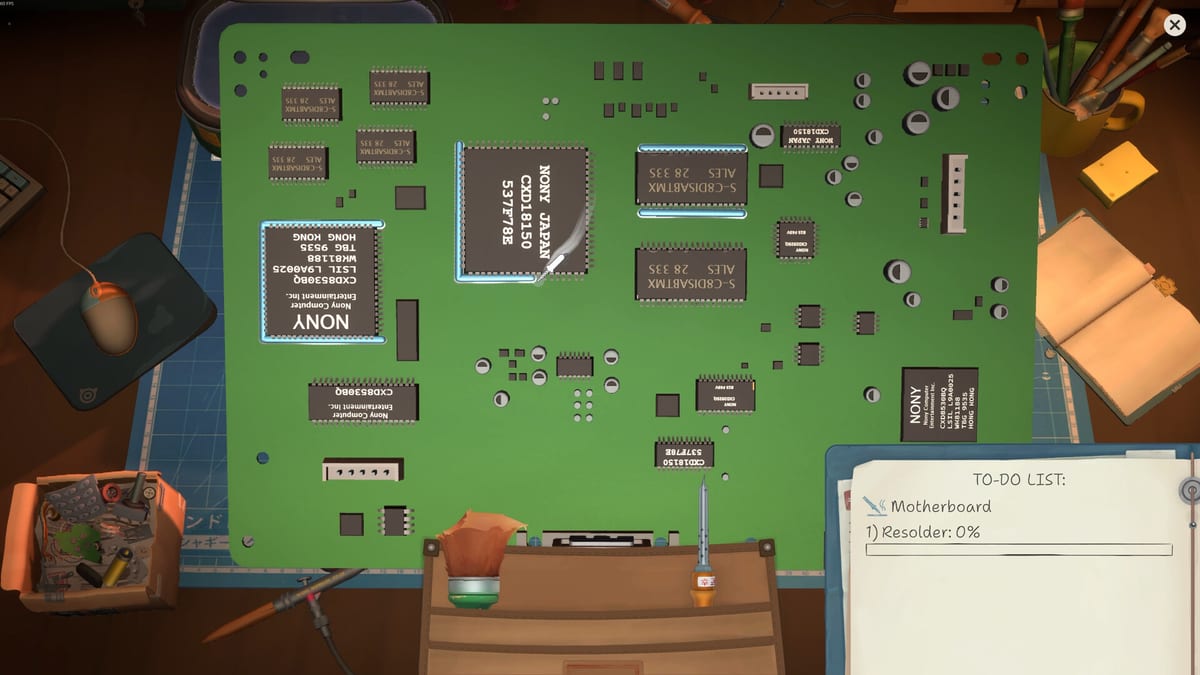
Parts shortages cause more stalled careers in ReStory: Chill Electronics Repairs than tricky soldering ever will. Mid-2000s Tokyo may look nostalgic, but capacitors still cost yen and Pokia screens vanish from listings the moment a story wave hits. This guide explains every sourcing channel—the in-game Y2K web browser, salvage teardowns, auction gambles—and how to decide which method fits your current chapter.
Why parts planning matters
Unlike pure puzzle games, ReStory charges upfront for components. Accept a walk-in job without stock and you lose an evening browsing fictional marketplaces while Kenji waits off-screen. Email jobs magnify the problem because margins are thin until you unlock better tools.
Treat parts like inventory in Shop management: maintain a small buffer of screens, batteries, common flex cables, and screws before chasing rare console boards.
Channel 1: Y2K web browser
Your desktop browser is the cleanest supply line. Listings mimic early auction and retail sites—search by device family, sort by price, and buy outright when stock appears.
Strengths: Guaranteed compatible parts, fast delivery to your bench inventory, predictable results for story deadlines.
Weaknesses: Premium pricing, limited rare stock, temptation to overspend when one click fixes panic.
Browser shopping habits
- Buy two common consumables when you purchase one—future you will repair another Pokia tomorrow.
- Compare listing photos to the Devices catalog so you do not order a music-player screen for a handheld with different bezels.
- Check browser tabs after story events; new sellers sometimes appear following chapter progress with Kazuo or Grandma Chiyo.
Pair browser use with How to Play morning routines so you never start teardown without verifying inventory.
Channel 2: Salvage from donor hardware
Salvage is the backbone of early-game economy. Purchase broken or untested devices from the same browser auctions, strip them on the bench, and bank components before trashing shells.
Strengths: Lower average cost per part, teaches full teardown on junk hardware, fuels Beginner Tips flip strategies.
Weaknesses: Time-intensive, unknown part health, risk of stripped screws on already abused cases.
Salvage workflow
- Buy cheap lots labeled “for parts” or “won’t power on.”
- Disassemble completely using repair discipline—even if you never reassemble the donor.
- Store usable boards, screens, and buttons; discard confirmed dead chips.
- Sell refurbished shells only if the game offers flip value worth the labor.
Virtual pets and early flip phones are ideal donors: few screws, common modules, low auction entry price.
Channel 3: Auction flips as indirect sourcing
Sometimes the part you need is inside a device you can resell whole. Buying a “broken” Nony PMP with a good screen, swapping your dead screen into it, and flipping the repaired unit can net both profit and spare inventory.
This blurs repair and commerce—plan flip jobs on quiet story days without timed return visits from Yuri or Hana. Read Upgrade priority before investing in tools solely for flips; electric screwdrivers help volume more than niche gear.
New parts vs salvage: decision matrix
| Situation | Prefer new | Prefer salvage |
|---|---|---|
| Story-critical return same day | Yes | No |
| Practice device, low payout | No | Yes |
| Licensed Atari shell or rare board | Yes | Risky |
| Repeated part type (Pokia batteries) | Bulk new | Bulk salvage |
| Unknown liquid damage | New internals | Donor boards risky |
When unsure, install new parts on customer hardware and salvage only on owned auction stock. Comeback dialogue hurts story trust more than losing one donor phone.
Stocking by device family
Phones (Pokia and similar): Screens, batteries, charging ports, hinge screws.
Handhelds (Nony PMP): Buttons, LCD assemblies, battery doors.
Licensed consoles: Power supplies, capacitors, AV jacks—verify license tier before opening customer units.
Music players and cameras: Wheels, lens rings, spindle belts—keep one donor per family because parts rarely cross over.
Virtual pets: Button membranes and LCD segments; buy whole donors cheap.
Money timing with rent and licenses
Hashimoto’s rent does not pause while you hunt a capacitor. Allocate weekly budgets:
- 50% — Rent, utilities, internet
- 30% — Parts buffer and licenses
- 20% — Tool upgrades from Tools unlocks
If auctions spike, defer non-story email jobs until salvage restocks common tiers. Online orders from How to Play can fill gaps without premium overnight shipping fees if the UI offers standard delivery.
Advanced tips
Duplicate rare parts after story jobs — If a mission introduces a unique component, buy or salvage a spare before returning the device. Future side content sometimes reuses the same family.
Do not hoard dead weight — Trash confirmed bad boards to reduce inventory clutter; mental overhead slows bench work.
Watch for privacy items — Phones may contain story data unrelated to parts. Separate ethical choices in Dialogue choices from salvage decisions; wiping customer data is not the same as stripping auction stock you own.
Sync with walkthrough beats — First Days walkthrough notes when the game subsidizes your first components; after that subsidy ends, browser prices feel harsher by design.
Troubleshooting supply crises
Every listing is overpriced — Progress one story day; economy refreshes. Meanwhile salvage two cheap donors.
Wrong part purchased — Keep mismatched parts for future flips or discard if inventory caps exist.
Cannot finish licensed repair — License missing, not part missing. See How to Unlock Licenses.
Bench full of half-stripped donors — Finish one strip per session; parallel teardowns lose screws across projects.
Smart parts strategy turns ReStory from a paycheck-to-paycheck sim into a workshop that always has the right screen on the shelf when Takashi walks through the door—with enough yen left to stay on Hashimoto’s good side.
Frequently Asked Questions
Quick answers for ReStory players.
Where do I buy spare parts in ReStory?
Use the in-game Y2K desktop browser to purchase new components and bid on broken hardware. Salvaged parts come from disassembling devices you bought through the same marketplaces.
Is salvaging better than buying new parts?
Early game yes—salvage cuts costs dramatically. Mid-game story deadlines and licensed consoles often justify new parts to avoid failed repairs and comebacks.
Can I run out of parts completely?
You can stall if inventory is empty and cash is low. Accept simpler email jobs, salvage cheap donors, or delay non-essential walk-ins until stock returns.
Do auction prices change over time?
Listings refresh as you progress days and story chapters. After major beats, check the browser again before assuming a part is permanently unavailable.
Should I stock parts before unlocking licenses?
Stock generic phone and handheld parts first. License-specific components often appear once you unlock the relevant tier—hoarding too early ties up rent money.