ReStory: Chill Electronics Repairs Early Game Progression
Turn steady repairs into license money without stalling the story
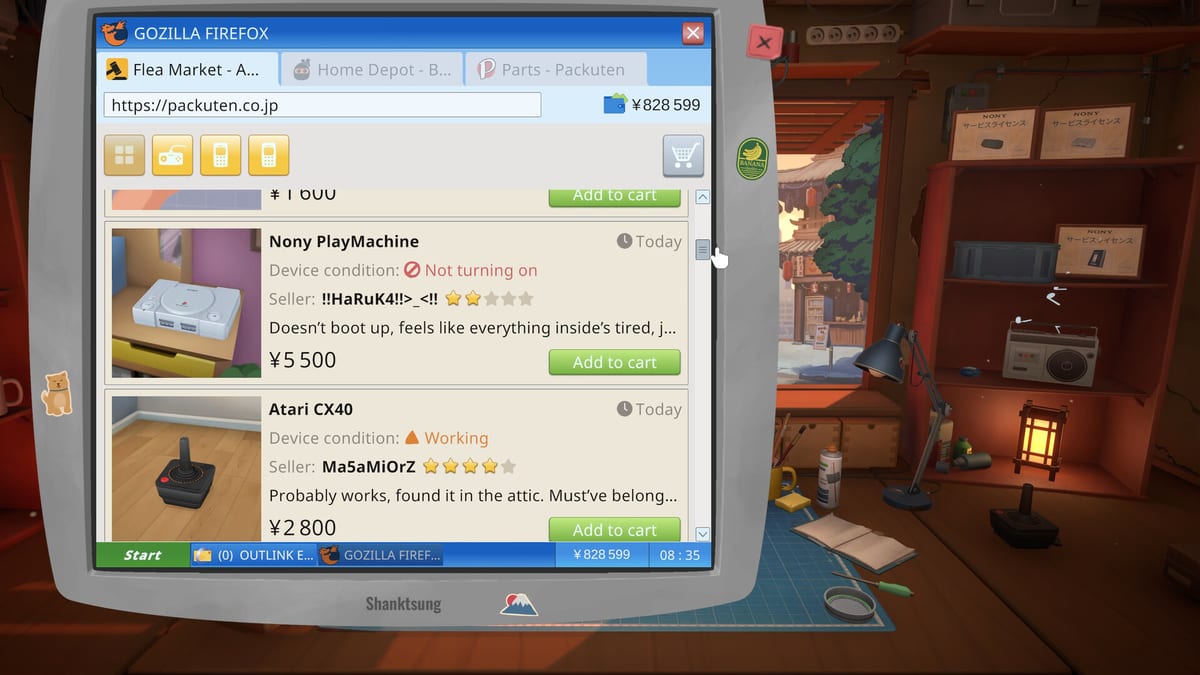
Once ReStory stops holding your hand, the early game becomes a balancing act: keep story customers happy, say yes to the right online requests, and hoard enough yen for licenses and workshop tools. This chapter covers roughly the first third of a typical playthrough—the window where you transition from tutorial shopkeeper to someone who can responsibly open a Nony PMP or Palaloid camera without bankrupting the bench.
You should arrive here after First Days with basic repair fluency. If disassembly still feels clumsy, spend another hour on How to Repair before accepting tier-two hardware.
The three income streams
Early cash flows from distinct sources that compete for the same bench time:
Walk-in story jobs pay moderate fees but unlock tools, reputation, and branching scenes on Characters. Never ignore them long enough to forget where you left a narrative thread.
Online request board posts rotating gigs—Walkie-talkie batches, Eggotchi restores, Patento BS handhelds with single-fault listings. They are ideal filler when story NPCs go quiet.
Marketplace flips let you buy broken units from parody sites (often named like early-auction culture), repair them, and resell. Margins beat requests when you know the Device Catalog cold, but mistimed buys tie up capital.
A healthy early rhythm is one story job, one request, evaluate one flip per in-game day. Adjust if a customer flags urgent dialogue.
Choosing safe devices
Consult Device Difficulty before you accept work. Early safe picks usually include:
- Atari CX40 and simple Atari 2600 power issues—you know the form factor from day one.
- Eggotchi pets with battery compartments or cracked shells.
- Pokia 3310-class phones with keypads, displays, or charging ports.
- Walkie-talkie units with antenna or battery faults.
- Patento BS-style handhelds when diagnostics show a single board swap.
Defer until licensed or better tooled:
- Nony PMP and Nony PlayMachine (full disassembly expects Sony-style license gates).
- Palaloid digital cameras with lens or sensor modules.
- Unicorp 99L and other compact PCs if you lack workspace upgrades.
- Autorolla Razor shavers when you have not bought hygiene-adjacent consumables—low margin early.
The Phones and Handhelds page lists parody names so you recognize them on the request board without guessing.
License timing and story beats
Licenses are the early game’s biggest gates. The Licenses guide lists each certificate, but walkthrough pacing matters: buying Nony authorization too early starves tool upgrades; buying it too late blocks story customers who bring Nony PMP hardware.
Recommended trigger points:
- Nony license — When a main customer delivers a PMP plot beat and you have two days of float after purchase price. Story text often mentions courier damage—budget extra housing parts.
- Palaloid license — After your first workshop lighting upgrade; camera jobs need visual inspection of sensor dust.
- Broader Unicorp coverage — After Workshop Upgrades expand spare storage; laptop-class boards eat shelf space.
License purchases usually coincide with Hashimoto or Yamato scenes. Watch for dialogue mentioning “official service” forms—that is your hint the game will check authorization on hand-in.
Online requests without overcommitting
The request UI shows payout, device icon, and sometimes failure flags (water damage, missing screws). Accept orders that match parts you already stock from repeat jobs—Pokia batteries, generic flex cables, Eggotchi shells.
Decline or postpone when:
- Multiple active jobs already need browser orders with long delivery timers.
- The device class requires a license you lack.
- Payout minus parts cost loses to a marketplace flip you already own inventory for.
Rotate requests across categories to train skills evenly. Specializing only in phones makes Atari Consoles story jobs feel harder later.
Marketplace flips 101
Marketplace listings show beat-up photos that mirror early-2000s auction aesthetics. Sort mentally by part availability before profit:
- If the listing mentions “powers on, no image,” suspect Palaloid or Nony screen assemblies—you need license plus part cash.
- “For parts” Atari joysticks and 2600 shells are cheap learning fodder.
- Eggotchi and Walkie-talkie lots bulk-buy consumables you will reuse on requests.
Repair, then sell through the same ecosystem or hand to story NPCs when quests ask for refurbished gifts. Shop Management covers pricing psychology; early game, price at median until reputation bonuses unlock.
Tool and workshop priorities
Visit Unlocks with this priority list:
- Ratchet screwdriver — Cuts disassembly time on everything.
- Better bench lighting — Raises inspection accuracy for camera and phone jobs.
- Air duster or contact cleaning station — Handhelds and music players share corrosion checks.
- Sandblaster or electric driver — Luxury picks once licenses are online.
Skipping straight to cosmetic upgrades feels cozy but slows license savings. One comfort upgrade per two functional upgrades is a fair compromise.
Story pacing and side content
Early game still advances Characters routes. If you grind only requests, you may miss scene triggers tied to shop cleanliness or bulletin-board notices. Walk the street between days when the game allows it—ambient events sometimes discount browser shipping.
Achievements hunters should skim Achievements for “repair X device type” counters now so you do not backtrack in late game.
Checklist before Shop Growth
Advance to Shop Growth when you can tick most boxes:
- At least one major license purchased and used on a paying job.
- Two functional tool upgrades equipped.
- Comfortable repairing three device categories without wiki help.
- Stable 20–30% daily profit margin after parts costs.
- No unresolved main-customer cliffhanger older than two in-game days.
If you are there, you are ready to scale—multiple benches, riskier tier-list devices, and the branching mid-game stories ReStory advertises for 15+ hours of play.
Frequently Asked Questions
Quick answers for ReStory players.
What is the best early game money maker?
Rotating online requests plus low-risk flips on Eggotchi, Walkie-talkies, and Pokia phones usually beat story job fees alone. Marketplace margins win only when you already stock the needed parts.
Which license should I buy first?
Most routes push the Nony service license first because story customers bring Nony PMP hardware early. Confirm you have tool upgrades and spare cash for two days of parts before buying.
How many jobs should I take at once?
One story job plus one request is sustainable early. Add a marketplace flip only if you have spare shelf space and browser delivery timers align.
Should I specialize in one device type?
Specializing speeds up muscle memory but slows license progress and story variety. Train across Atari, phones, and toys until mid early game, then lean into your favorite category.