ReStory: Chill Electronics Repairs Shop Economy
Rent, utilities, dial-up vibes, and yen that disappears faster than corroded traces.
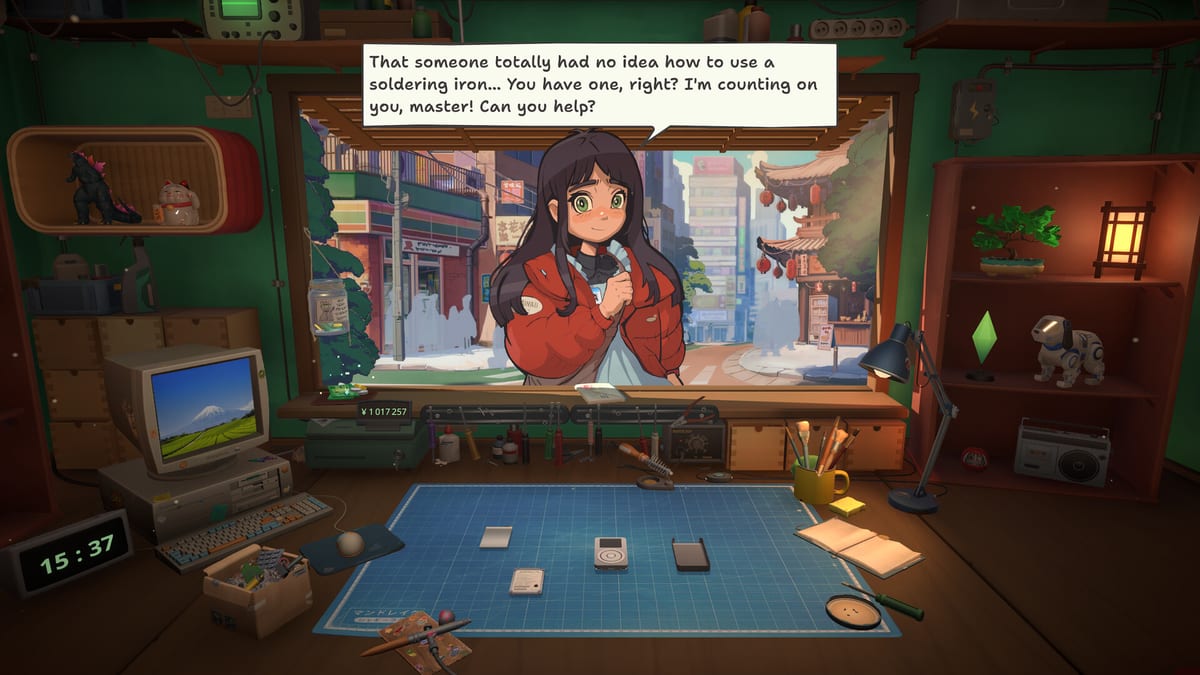
ReStory: Chill Electronics Repairs dresses like a cozy repair fantasy, but Hashimoto’s rent and Y2K utility bills keep the simulation honest. Mandragora’s mid-2000s Tokyo setting means you pay for connectivity that feels like dial-up nostalgia, choose shipping speeds that can erase job profit, and decide whether tonight’s paycheck funds an electric screwdriver or another week of solvency. This guide maps income streams, recurring expenses, launch-day economy easing, and the reputation tradeoffs that pure spreadsheet players miss.
Recurring expenses
Your ledger ticks on a calendar—not every action costs yen, but ignoring schedules causes soft stalls mid-chapter:
| Expense | Fiction | Gameplay effect |
|---|---|---|
| Rent | Landlord Hashimoto | Miss payments → pressure events, story tone |
| Utilities | Power, water | Baseline overhead each cycle |
| Internet | Y2K ISP plans | Gates email jobs and Parts Browser |
Internet plans lean Y2K dial-up vibe in flavor text even when gameplay treats browsing as always-on after unlock. Upgrading plans may appear as story or shop milestones—compare Shop management when new bills surprise you after First Days.
Keep one week’s rent liquid before cosmetic spending; Beginner Tips repeats this because launch week bankruptcies dominated pre-patch demos.
Income streams
Money enters through:
- Walk-in repairs — variable pricing + tips; story weight in Characters.
- Online orders — fixed contracts; see Online orders guide.
- Marketplace flips — high risk; needs license and parts math.
- Story stipends — occasional quest payments; not farmable.
Healthy early margins hover around twenty to thirty percent after parts—tighter if you rush express shipping on every cart.
Express shipping traps
The Parts Browser tempts you with express delivery when a customer waits. Useful for festival deadlines; deadly for anonymous email jobs paying barely above parts cost.
Before clicking express:
- Compare payout to parts + shipping + rush fee.
- Ask whether the job is story-critical—Hana’s flip phone beats a Walkie-talkie contract.
- Remember launch patch tuned delivery pacing; demo footage looked harsher than release.
Batch standard shipping overnight while you clean boards. Express only when reputation or story flags demand same-day assembly.
Launch-day economy easing
August 6, 2026 shipped with a substantial day-one patch. Community and official notes highlight:
- Early operating costs reduced versus Next Fest builds.
- Parts delivery timers adjusted for less dead air.
- Express fees scaled so first-week players reach licenses without grinding only Eggotchi jobs.
If a YouTube guide from June 2026 says rent is brutal, verify against release—then read Updates and this page before rerolling saves.
Salvage vs buy new
Parts money is the hidden boss fight:
| Strategy | Upfront cost | Risk | Best for |
|---|---|---|---|
| Salvage auctions | Low device price | Unknown internals | Practice, low-margin jobs |
| Browser new parts | Higher | Predictable | Story deadlines, licensed hand-ins |
| Hybrid | Medium | Moderate | Daily operations |
Salvage broken Pokia or Eggotchi units from marketplace “for parts” listings before buying premium screens for customer phones. Transition to new components when How to Get Spare Parts warns about comeback risk on owned stock.
Electric screwdriver timing intersects here: faster teardown makes salvage profitable sooner—ranked in Upgrade priority.
When to buy the electric screwdriver
The screwdriver is the largest quality-of-life purchase, not a vanity skin:
- Buy when you can afford it without missing rent.
- Prioritize over cosmetic Workshop customization unless a story beat rewards storefront looks.
- Skip if you still fail basic screw counters on tutorial hardware—skill first, speed second.
One screwdriver-fueled afternoon often pays for itself in extra Online orders completed before night cycle.
Pricing vs reputation
Shop management covers triage; economy adds the moral ledger:
- Max pricing every job yields short-term yen but cools neighborhood goodwill tracked in Reputation.
- Discounts for struggling regulars unlock scenes that pure profit runs miss.
- Rush fees work when parts sit in inventory; gouging during storms backfires in dialogue.
Achievements and Endings care about patterns—not one greedy quote. Price anonymous board jobs at suggested ranges; treat named cast generously when story text signals financial stress.
Utilities and internet as narrative flavor
Hashimoto and bulletin boards reference blackouts, slow downloads, and meter readings—environmental storytelling tied to economy. Pay bills promptly to avoid distraction events during delicate soldering. Internet upgrades may unlock faster browser refreshes or email slots; exact gates vary by chapter—track Walkthrough shop growth milestones.
Budget template (first two weeks)
| Week | Reserve target | Spend priority |
|---|---|---|
| 1 | 1× rent + parts float | Brushes, first email stock |
| 2 | 2× rent | Electric screwdriver or first license |
Defer Licenses until story silhouettes appear; defer flips until screwdriver online.
Common economy mistakes
- Express shipping on three simultaneous low-tier jobs.
- Buying cosmetic paint before functional lighting upgrades.
- Accepting Nony contracts without license fee reserved.
- Ignoring salvage while complaining parts browser prices spike.
- Hoarding yen past upgrade breakpoints while reputation decays from declined story jobs.
Related pages
- Shop management — queues and pricing
- Beginner tips — first-week survival
- Upgrade priority — tool order
- Launch patch — post-release tuning
- Shop growth — scaling income
ReStory’s economy wants you solvent enough to enjoy Yuri’s virtual pet arc—not stressed into skipping dialogue. Track yen like you track screws: deliberately, with margin for one mistake.
Frequently Asked Questions
Quick answers for ReStory players.
How much rent buffer should I keep in ReStory?
Aim for at least one week's rent in reserve before major purchases. Beginner guides suggest two weeks by the time you shop for licenses or an electric screwdriver.
Is express shipping worth it?
Only for story deadlines or high-margin jobs with parts already quoted. Express on cheap email contracts often erases profit after the launch patch still charges rush fees.
Did the launch patch make the economy easier?
Yes. Day-one notes tuned early operating costs, parts delivery, and express pacing compared to demo builds. Check Updates if old guides feel too punishing.
Should I salvage or buy new parts early?
Salvage for practice and low-margin work; buy new when story customers need guaranteed fixes before timed returns. Hybrid stocking fits most of week two.