ReStory: Chill Electronics Repairs Shop Management Hub
Run the business side of your mid-2000s repair workshop
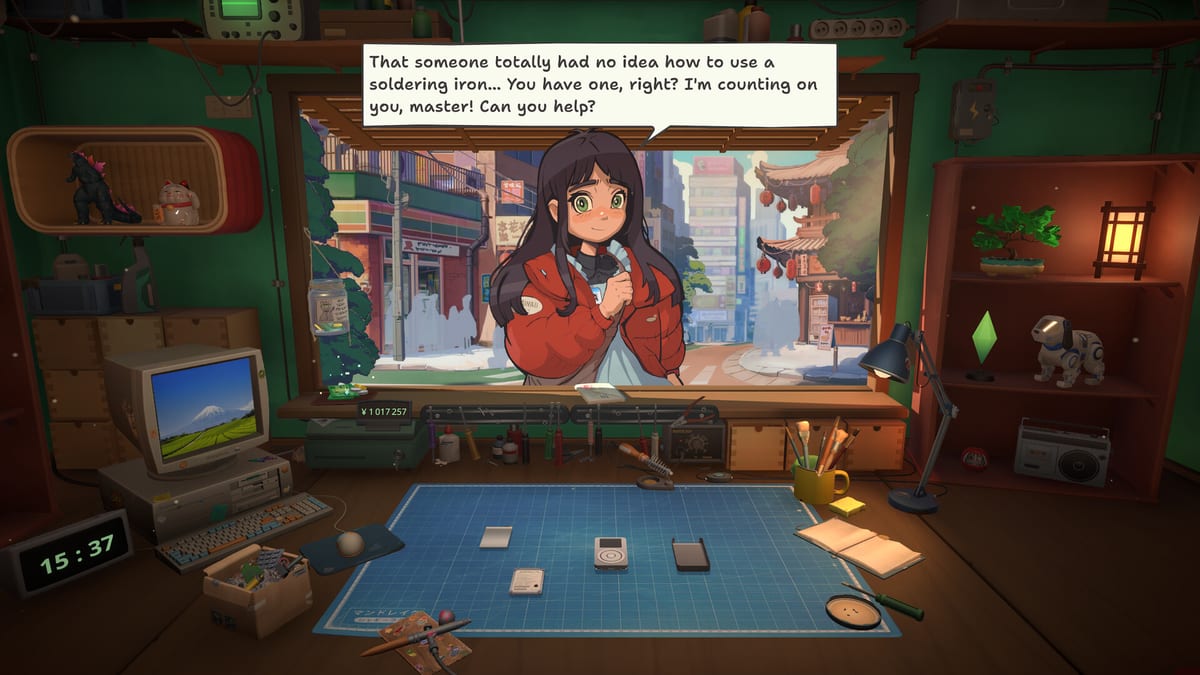
Repair skill alone does not keep the lights on in ReStory: Chill Electronics Repairs. The shop layer handles customers walking off the street, online request boards, Y2K web shopping for spares, service licenses that gate premium brands, and the reputation systems that feed branching stories. This hub links the three shop-focused guides—management, parts browser, and licenses—while pointing to tools and walkthrough chapters that assume you understand the business loop.
If you have never played a management sim, read How to Play first for calendar and UI basics.
The daily shop loop
Each in-game day roughly follows:
- Open the shutter — New walk-ins, story portraits, and bulletin notices appear.
- Triage the queue — Story hand-ins beat random flips when dialogue flags urgency.
- Repair on the bench — Detailed in How to Repair.
- Order parts — Use the Parts Browser when spares run out.
- Close jobs — License checks run automatically on protected brands.
- Review cash and reputation — Fund Workshop Upgrades or Licenses.
Walkthrough pacing from First Days through Shop Growth mirrors this loop with story spikes.
Shop subsystems
| Guide | Focus |
|---|---|
| Management | Customers, pricing, requests, reputation |
| Parts Browser | Retro e-commerce, bookmarks, shipping traps |
| Licenses | Nony, Palaloid, and official service gates |
| Economy | Rent, utilities, internet plans, salvage vs buy, express shipping |
Together they answer “how do I run the business?” while Devices answers “what am I fixing?”
Money in, money out
Income streams include walk-in payments, online request rewards, marketplace resale profits, and occasional story stipends. Expenses cover parts carts, license fees, tool orders from Unlocks, and workshop renovations.
Healthy early margins hover around twenty to thirty percent after parts—see Early Game for when to stop hoarding cash and buy authorization certificates.
Customers and branching narrative
Customers are not faceless timers. Named cast members from Characters return with evolving arcs tied to how you price repairs, meet deadlines, and handle damaged goods. Shop management choices therefore interact with Achievements for endings—not just ledgers.
Discounting a struggling regular may delay license purchases but unlock scenes impossible on a pure profit run. The hub does not prescribe morality; it reminds you that pricing is narrative.
Licenses vs tools vs parts
New players confuse the three big purchases:
- Licenses — Legal fiction allowing Nony, Palaloid, or similar hand-ins.
- Tools — Permanent bench upgrades speeding repairs.
- Parts — Consumable or swap inventory per job.
Buy tools that shorten daily loops before exotic licenses if you still fail basic Eggotchi jobs. Buy licenses before accepting story Nony PMP deliveries you know are coming.
Online requests and marketplace
Both systems live under the shop umbrella though they use different UI skins. Requests are contract gigs with fixed payouts; marketplace is player-initiated flipping. Management explains when to refresh the board and how declines affect reputation. Deeper remote-work strategy lives in Online orders; rent and shipping math in Economy.
Device knowledge from Device Catalog and Device Difficulty prevents accepting jobs whose parts cost more than rewards.
Physical shop upgrades
While licenses are paperwork, workshop space changes how many devices and spare trays you manage simultaneously. Tie renovation milestones to story beats—Hashimoto and neighbors comment when your storefront looks more professional.
Related walkthrough chapters
- First Days — Opening cash flow
- Early Game — License timing
- Shop Growth — Scaling throughput
Shop mistakes that ripple
Understocking browser bookmarks forces expensive emergency searches. Over-licensing before tool upgrades leaves you authorized but slow. Ignoring story customers to grind requests delays ending content without maximizing profit anyway. Pricing every job at max kills reputation gains that discount future license fees through neighborhood goodwill.
Frequently Asked Questions
Quick answers for ReStory players.
What is the most important shop system to learn first?
Customer management and basic pricing from the Management guide, paired with Parts Browser checkout flow. Licenses matter once Nony or Palaloid jobs enter your queue.
How do licenses differ from workshop upgrades?
Licenses unlock hand-in permission for protected brands. Workshop upgrades expand bench capability, storage, and lighting—they do not replace license checks.
Can I run the shop without doing marketplace flips?
Yes. Story jobs and online requests provide enough income for a cozy run. Marketplace flips accelerate license purchases but are optional.
Where do shop choices affect endings?
Pricing, deadlines, and dialogue responses tracked across customer arcs feed branching outcomes detailed on Characters and Achievements pages.