ReStory: Chill Electronics Repairs Workshop Upgrades Planner
Expand your Akihabara bench without starving rent or missing story appointments.
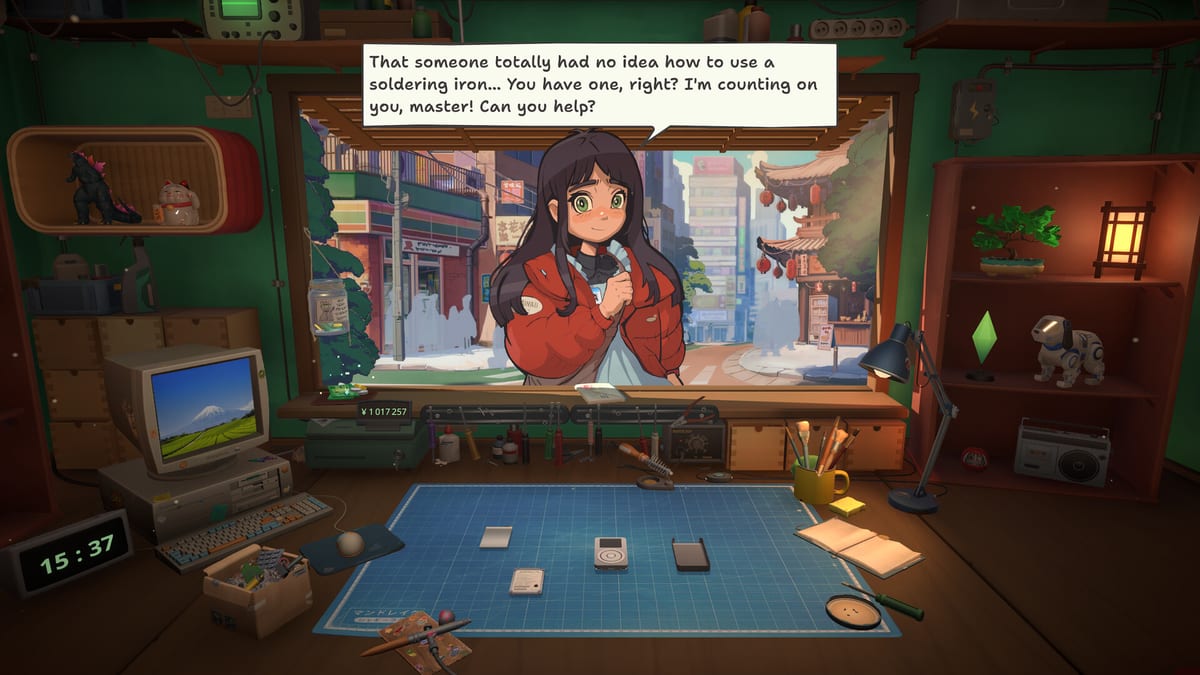
Your workshop in ReStory: Chill Electronics Repairs is both stage and inventory. Mandragora lets you upgrade lighting, storage, shipping options, diagnostic stations, and Y2K cosmetic flourishes that customers sometimes notice in return dialogue. Unlike pure decor sims, every upgrade competes with rent to Hashimoto, parts orders, and license fees—so planning matters.
This guide maps upgrade categories, suggests timing, and points to ranked priorities on Upgrade priority. Use Tool unlocks for handheld gear; this page covers room-level investments.
Upgrade categories at a glance
| Category | Examples | Primary benefit |
|---|---|---|
| Bench ergonomics | Lamp, magnification arm, anti-static mat | Fewer failed hinge and flex jobs |
| Storage | Parts cabinets, labeled trays, shelf space | Faster jobs; fewer lost screws |
| Logistics | Standard vs express shipping | Turnaround on email orders |
| Diagnostics | Bench multimeter bay | Higher margins on electrical faults |
| Presentation | Neon airbrush, stickers, grid snap decor | Customer reactions; achievement habits |
Presentation upgrades expanded in the launch patch with additional gradients and sticker grids. They are delightful but rarely beat functional storage in the first in-game month.
Early-game upgrade path
Follow this sequence unless a story appointment forces a license purchase first:
- Parts storage — When you salvage donor devices from How to Get Spare Parts, loose capacitors and screws overwhelm the default table. Storage pairs with new inventory filters from the day-one update.
- Lighting / magnification — Before accepting Hana’s flip phone chain or any job with ribbon cables, upgrade visibility. See Device difficulty.
- Shipping tier — If email jobs dominate your mornings per How to Play, reduce express fees unlocked mid-tier to improve margins.
- Diagnostic bay — Once Takashi or similar collector arcs appear, diagnostics pay for themselves on console jobs.
- Decor — After two rent cycles saved per Shop management.
Skipping straight to neon airbrush is the most common early mistake visible in Steam reviews—pretty shop, empty wallet when Hashimoto visits.
How upgrades interact with story
Customers comment on ambiance more than spreadsheets:
- Hana may notice creative exterior restorations if you invested in cosmetic stations—tie choices to Story choices.
- Takashi cares about conservative, authentic finishes; flashy decor without skill can clash with his preservation theme in Characters.
- Grandma Chiyo responds to patience and careful lighting more than stickers—ergonomic upgrades help you slow down for corrosion work.
- Kazuo tests ethics, not your neon palette—do not delay functional gear for his arc.
Upgrades never replace dialogue; they only change how comfortably you meet narrative deadlines.
Economy timing after the launch patch
Mandragora softened early operating expenses and delivery costs in the day-one update. That shifts optimal timing: players reach mid-tier storage sooner than demo footage suggested. Revisit Launch patch notes if your save started before economy tweaks—mental plans from older videos may be pessimistic.
Manual save before bulk upgrade days. Workshop purchases are often lump sums; reverting is easier than rebuilding cash from salvage flips gone wrong.
Workshop layout tips
Even without grid editors, habit matters:
- Keep active teardown center screen; push finished boxes to shelves noted in How to Repair Devices.
- Reserve one shelf for story devices you cannot rush.
- Dedicate a tray for tiny screws during Atari controller swaps from First Days walkthrough.
Misplaced joysticks turning into mystery boxes was a common launch bug; storing deliberately reduces restarts.
When not to upgrade
- Cash within one rent payment of zero and no email backlog
- Pending license for the only queued walk-in
- Mid-repair teardown without finishing reassembly—upgrade menus tempt procrastination
Instead, finish the job, run Parts checklist, then spend.
Related planning pages
- Tools hub — overview of wiki companions
- Early game walkthrough — income pacing
- Achievements — shop growth and exploration categories
- Review — critique of customization depth versus management
Workshop upgrades should make Tokyo feel like your shop. Functional first, expressive second—that rhythm keeps ReStory cozy instead of stressful.
Frequently Asked Questions
Quick answers for ReStory players.
Do workshop upgrades affect repair mini-game difficulty?
Indirectly. Lighting and magnification make precision easier; they do not replace the repair slider added in the launch patch.
Is express shipping mandatory for story jobs?
Rarely. Walk-ins dominate narrative beats. Express helps email margins when you batch remote orders.
Can I downgrade or sell upgrades?
ReStory generally treats upgrades as permanent investments. Plan purchases using the tier list before committing yen.
Which upgrade helps inventory filters the most?
Storage expansions pair best with post-patch sorting filters—more slots mean fewer overflow piles on the bench.